Latest Articles & Tips

Browse our collection of expert advice, industry insights, and practical tips for actors
Article

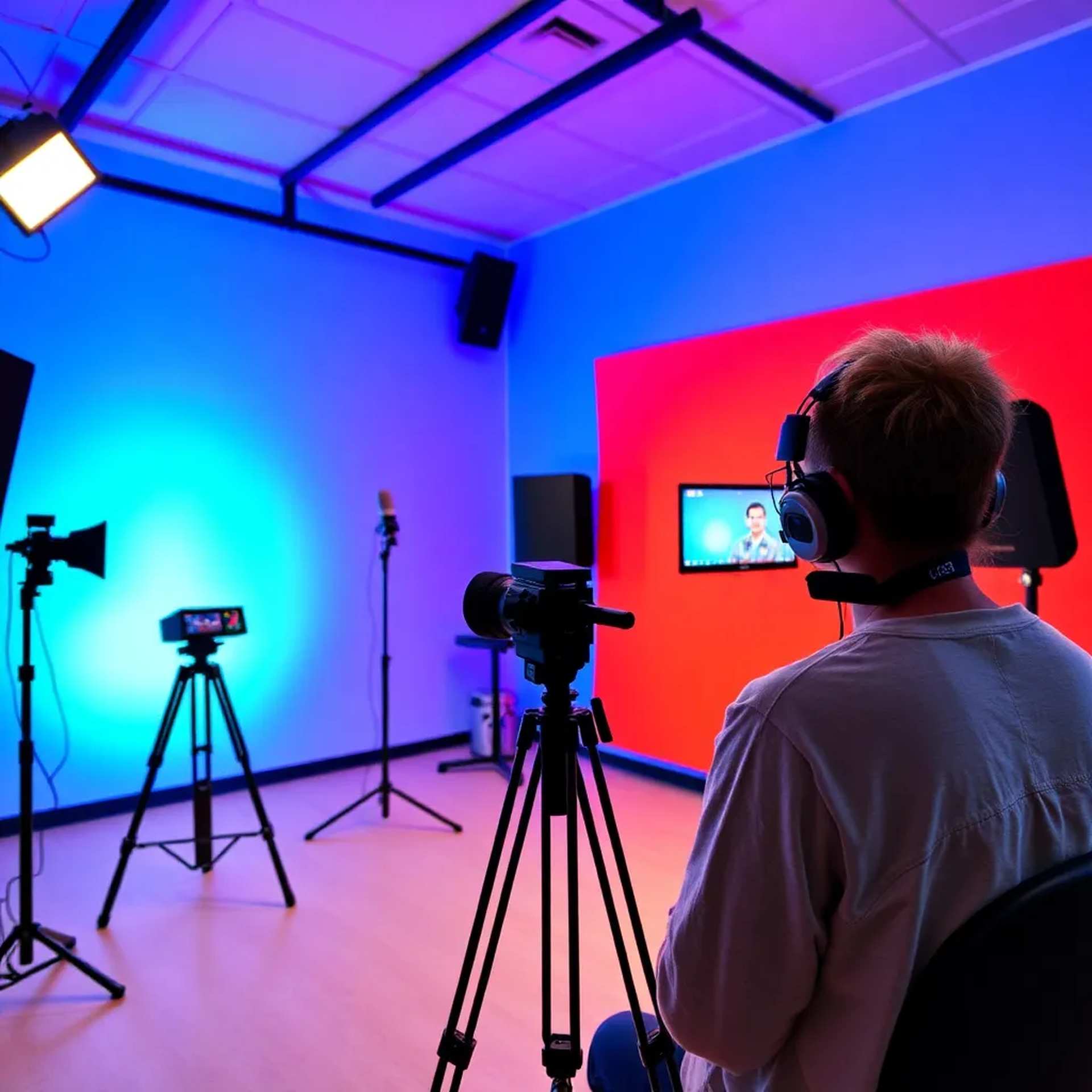
10 Common Self-Tape Mistakes to Avoid

Learn about the most frequent errors actors make when recording self-tapes and how to avoid them. From lighting issues to performance pitfalls, we cover everything.
Article

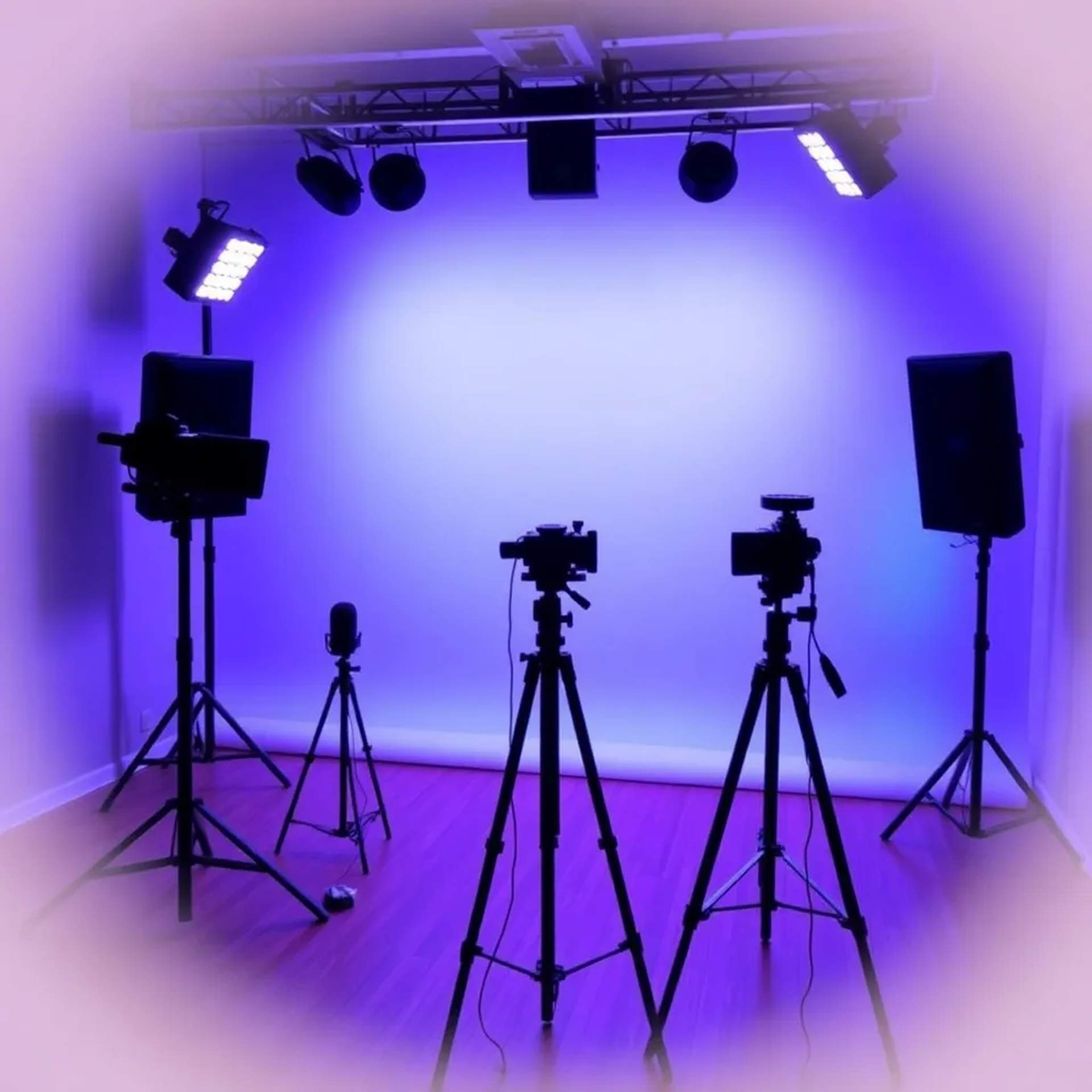
Perfect Lighting Setup for Self-Tapes

Understanding three-point lighting and how to achieve professional-looking illumination even with basic equipment. Includes budget-friendly options.
Article

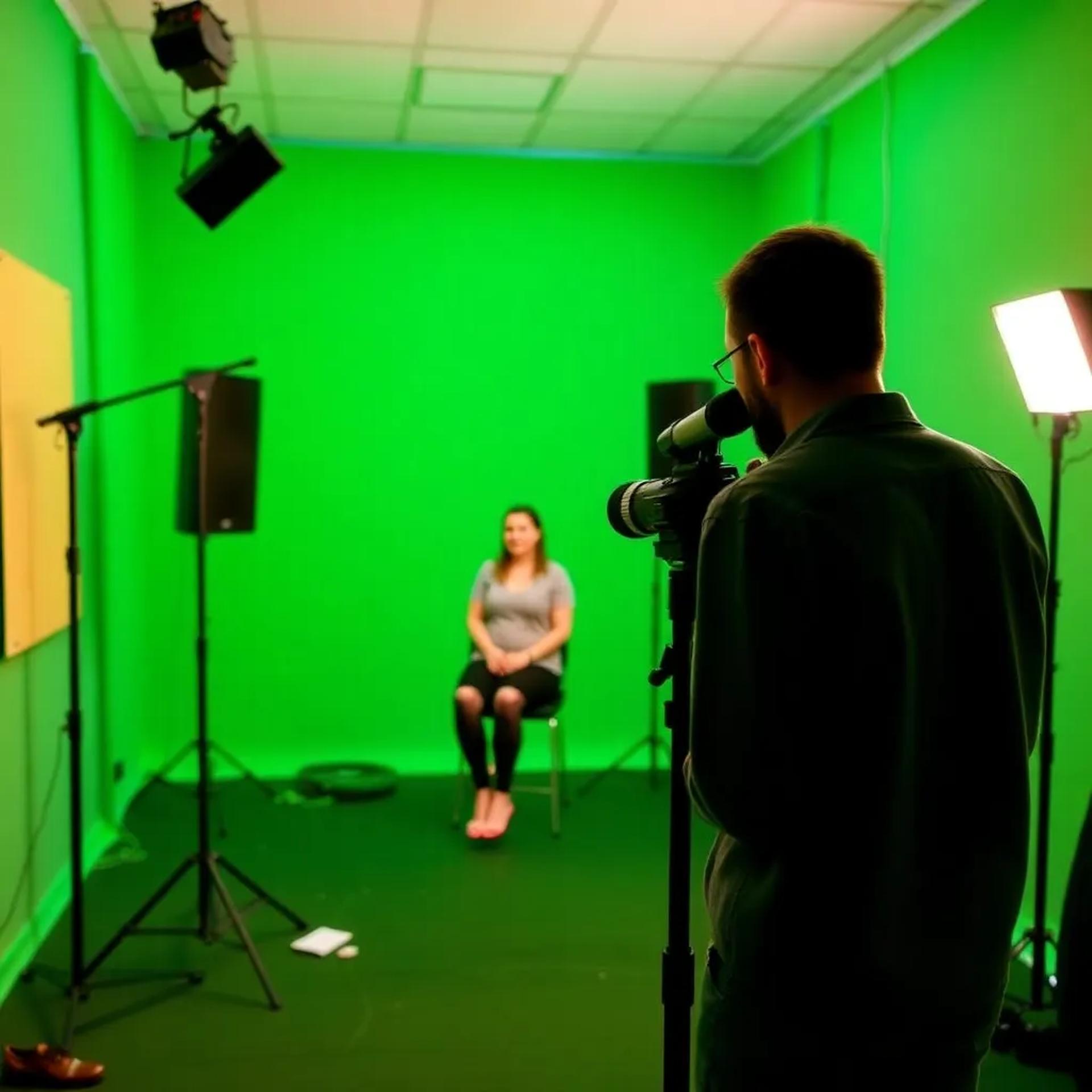
Building Your Acting Portfolio in 2025

What every Filipino actor needs in their portfolio to stand out in international auditions. From headshots to demo reels, we break it down.
Article

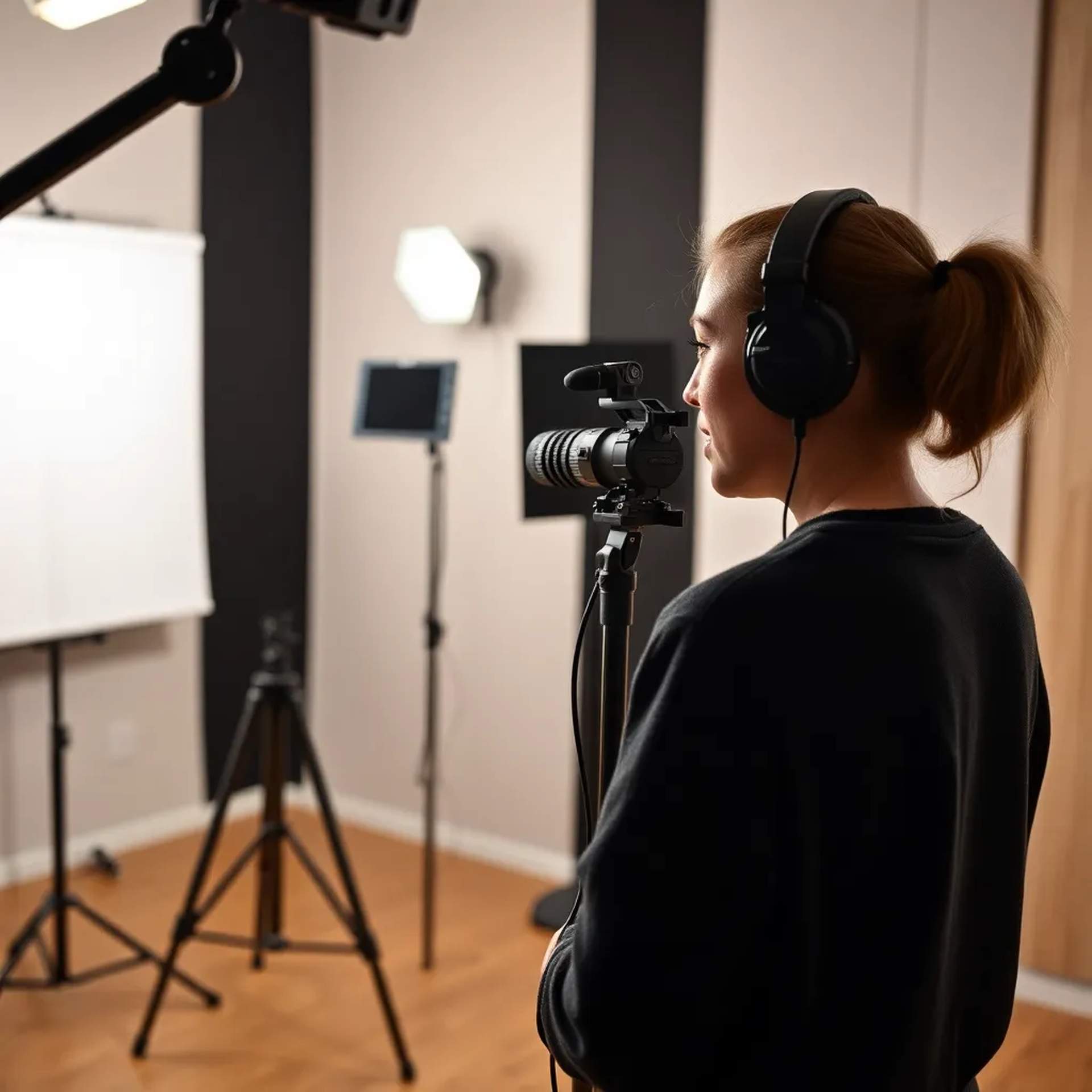
Philippine Film Industry Trends 2025

An overview of the current state of filmmaking in the Philippines and opportunities for local actors in both domestic and international productions.
Article

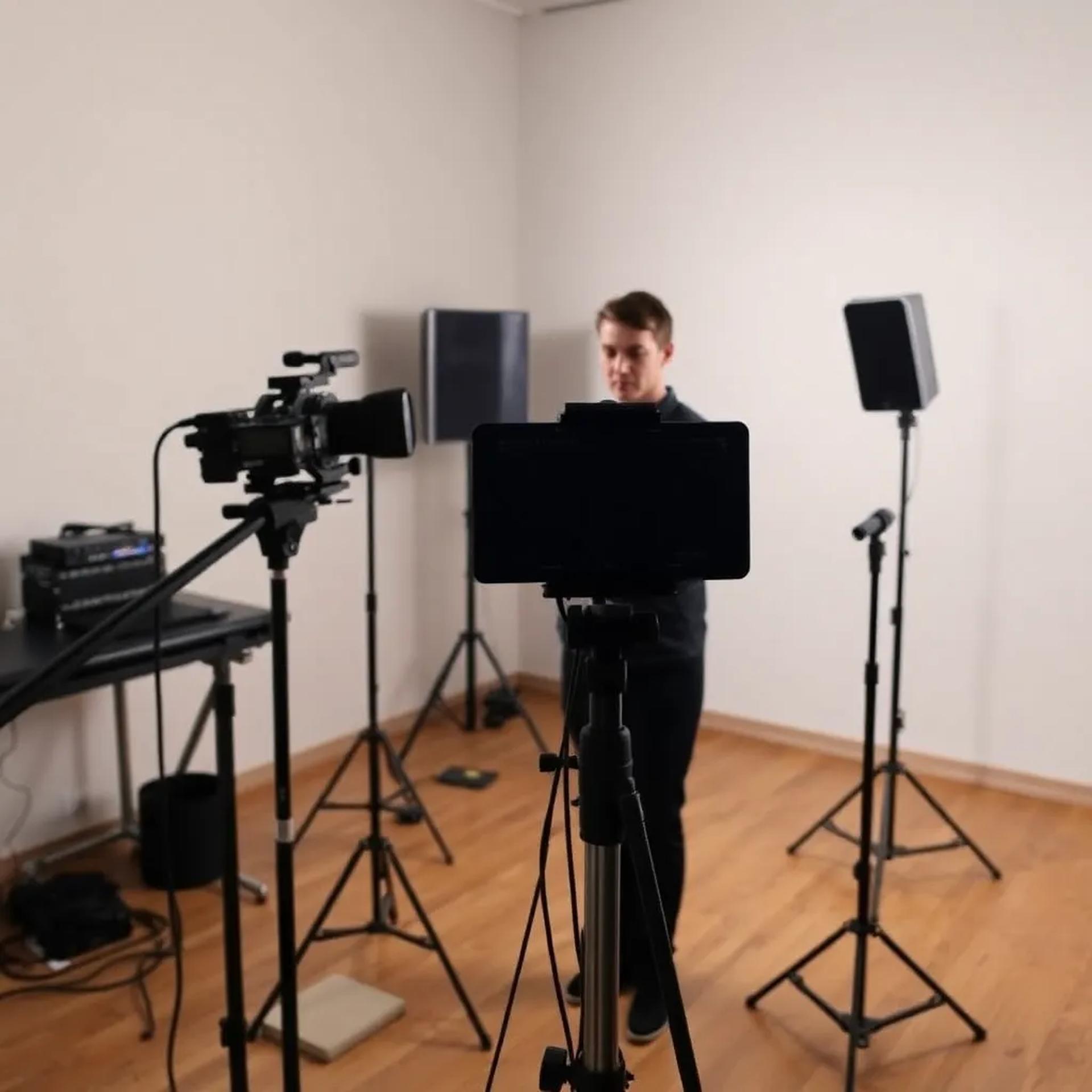
How to Prepare for Cold Readings

Master the art of cold reading with these proven techniques. Learn how to analyze scripts quickly and deliver confident performances on short notice.
Article

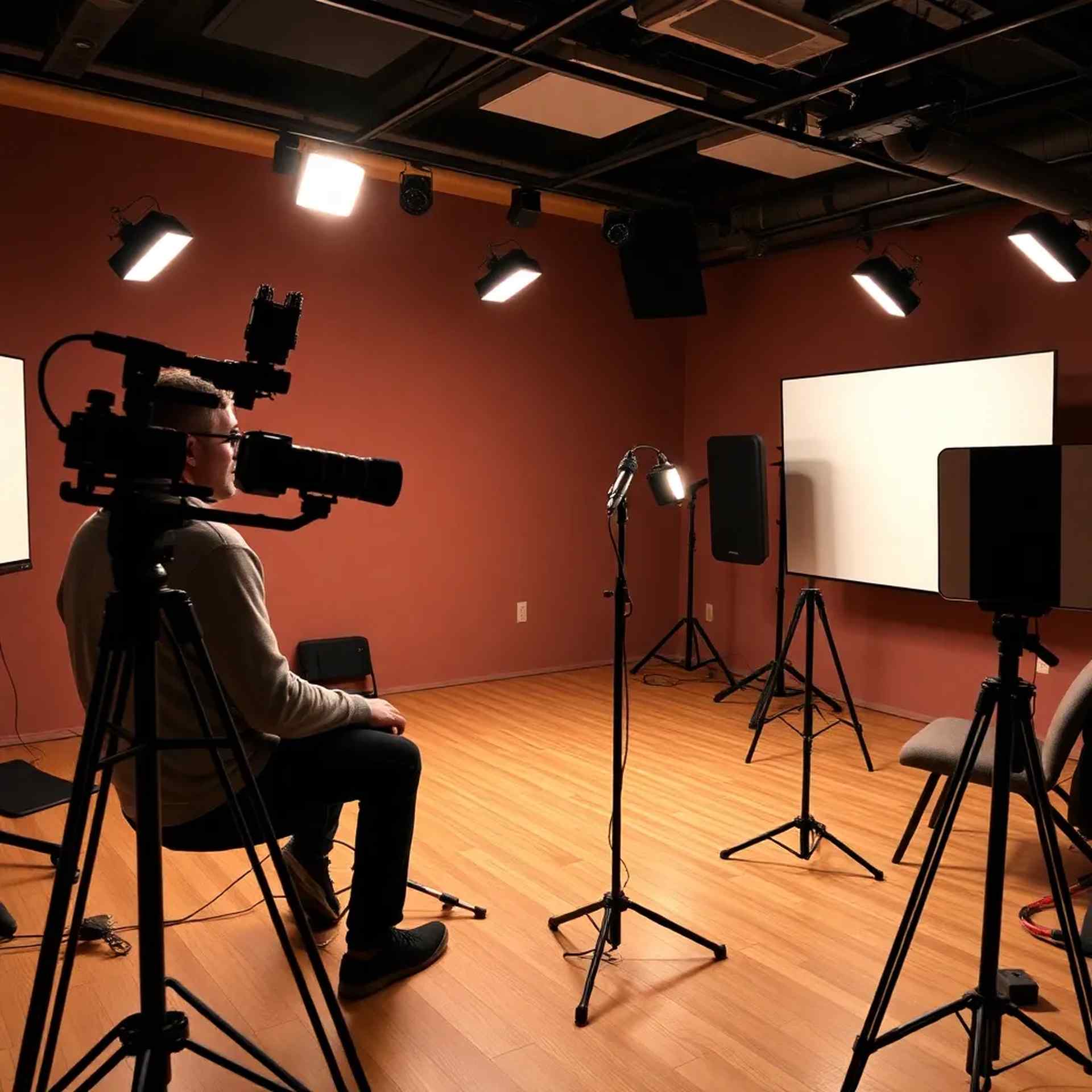
Audio Recording Best Practices

Clear audio is just as important as good video. Discover microphone placement, room acoustics, and post-production tips for crystal-clear sound.

Step-by-Step Guides

Creating Your First Self-Tape

A comprehensive walkthrough for actors new to self-tape auditions.

  1. Read the Casting Notice Carefully: Understand exactly what's required - scene selection, character breakdown, submission format, and deadline.
  2. Prepare Your Space: Choose a quiet location with a neutral background. Ensure good lighting from the front and eliminate shadows.
  3. Set Up Your Camera: Position at eye level, frame from mid-chest up, leave headroom, and ensure you're centered in the frame.
  4. Test Your Audio: Record a test to check sound quality. Eliminate background noise and ensure your voice is clear and prominent.
  5. Rehearse Your Performance: Practice multiple times but avoid over-rehearsing. Keep it fresh and authentic.
  6. Record Multiple Takes: Do at least 3-5 takes with different interpretations. This gives you options during editing.
  7. Review and Select: Watch your takes objectively. Choose the one with the best performance and technical quality.
  8. Edit and Export: Trim unnecessary footage, ensure proper formatting, and export in the requested file format.

Technical Setup Checklist

Essential equipment and settings for professional-quality recordings.

  1. Camera Equipment: Use a DSLR, mirrorless camera, or high-quality smartphone. Ensure 1080p minimum resolution.
  2. Lighting Setup: Key light at 45-degree angle, fill light to soften shadows, backlight for depth separation.
  3. Audio Recording: External microphone recommended - lavalier or shotgun mic positioned 6-12 inches from subject.
  4. Background Selection: Solid neutral colors (white, gray, beige). Avoid busy patterns or distracting elements.
  5. Camera Settings: 24fps or 30fps, proper white balance for your lighting, manual focus to prevent hunting.
  6. File Management: Name files clearly with your name and character. Keep organized folders for different auditions.

Performance Tips from Casting Directors

What industry professionals look for in audition tapes.

  1. Be Authentic: Don't try to be perfect. Casting directors want to see the real you and your unique interpretation.
  2. Make Strong Choices: Commit to your character decisions. Tentative performances don't stand out.
  3. Connect with the Camera: The lens is your scene partner. Maintain appropriate eye contact and energy.
  4. Show Range: If appropriate, demonstrate different emotional beats and character layers in your performance.
  5. Follow Directions: If the casting notice has specific requirements, follow them exactly. It shows professionalism.
  6. Keep It Concise: Respect time limits. A tight, strong performance is better than a long, meandering one.